|

Planting Seedlings

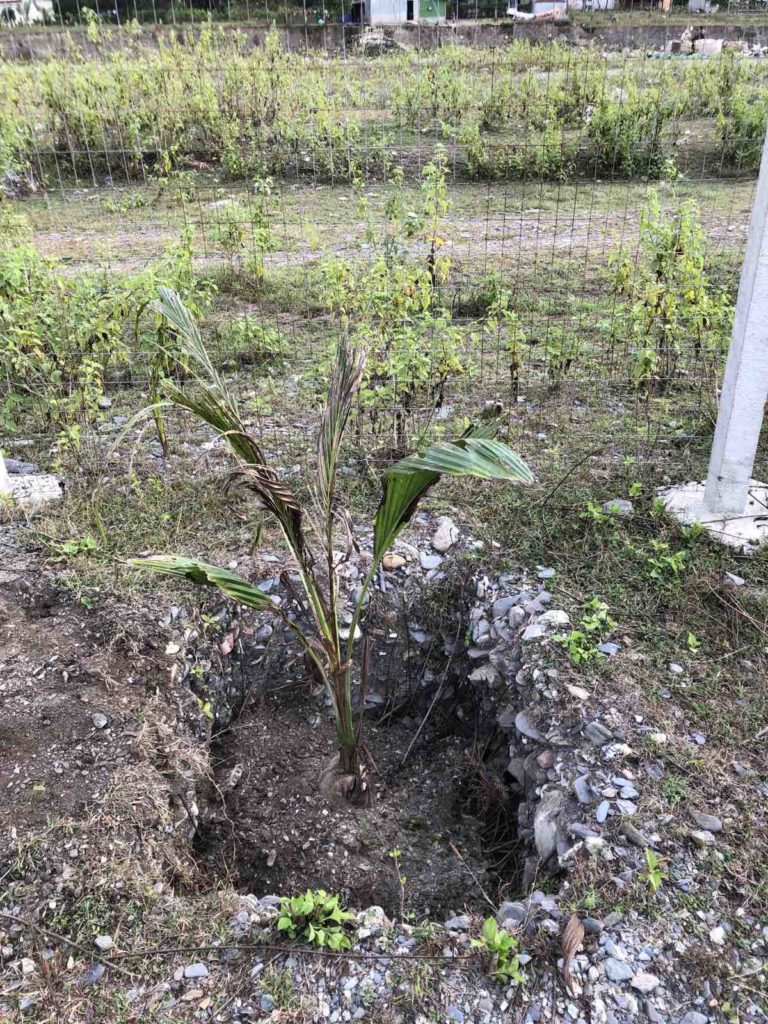
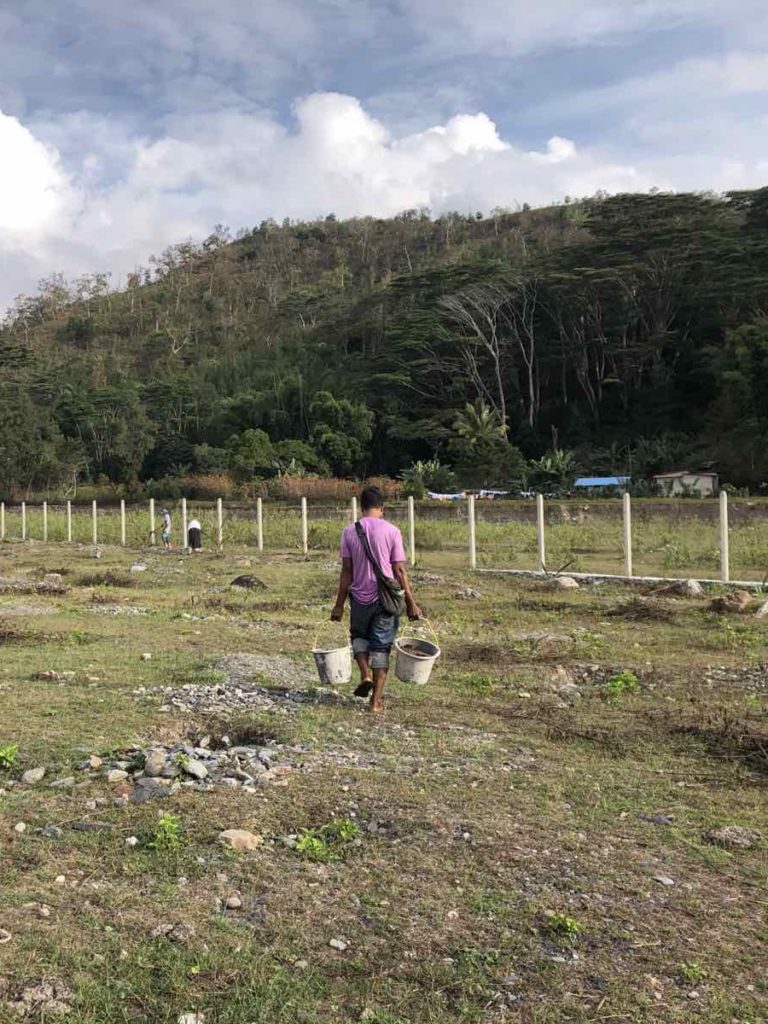
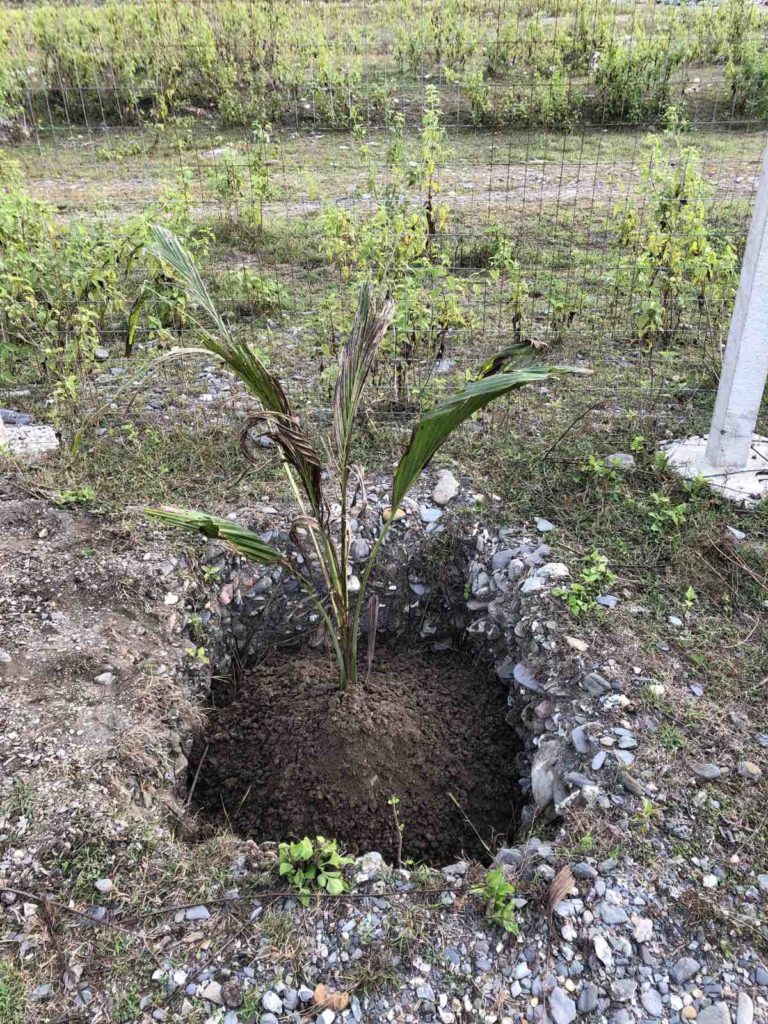
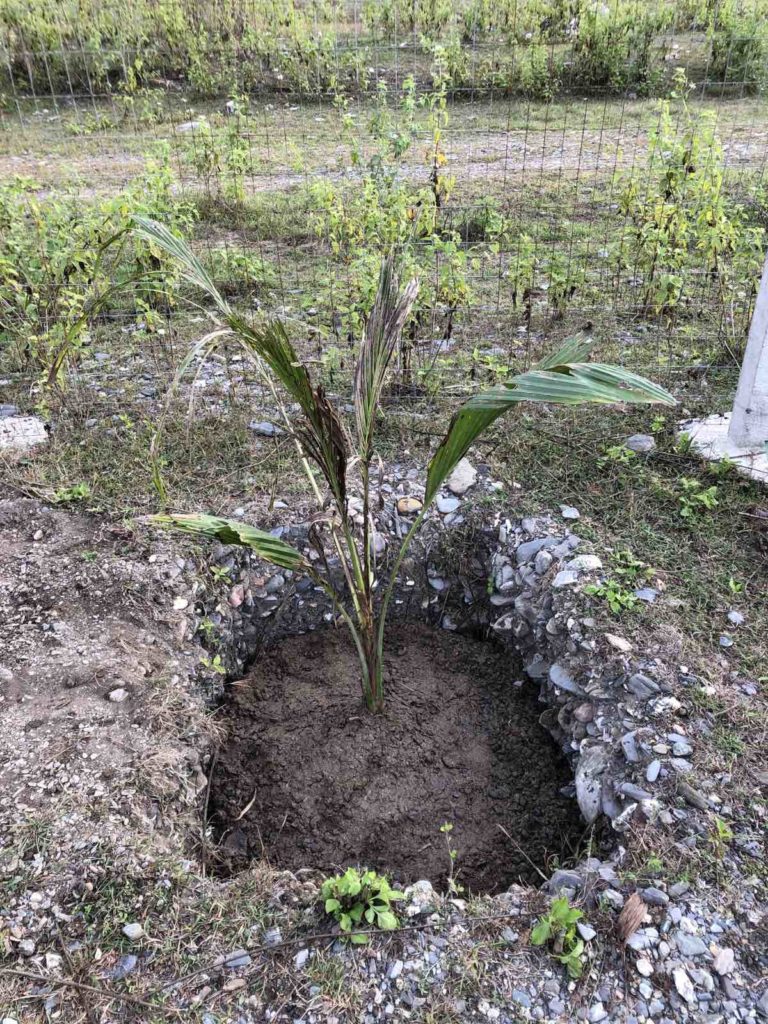
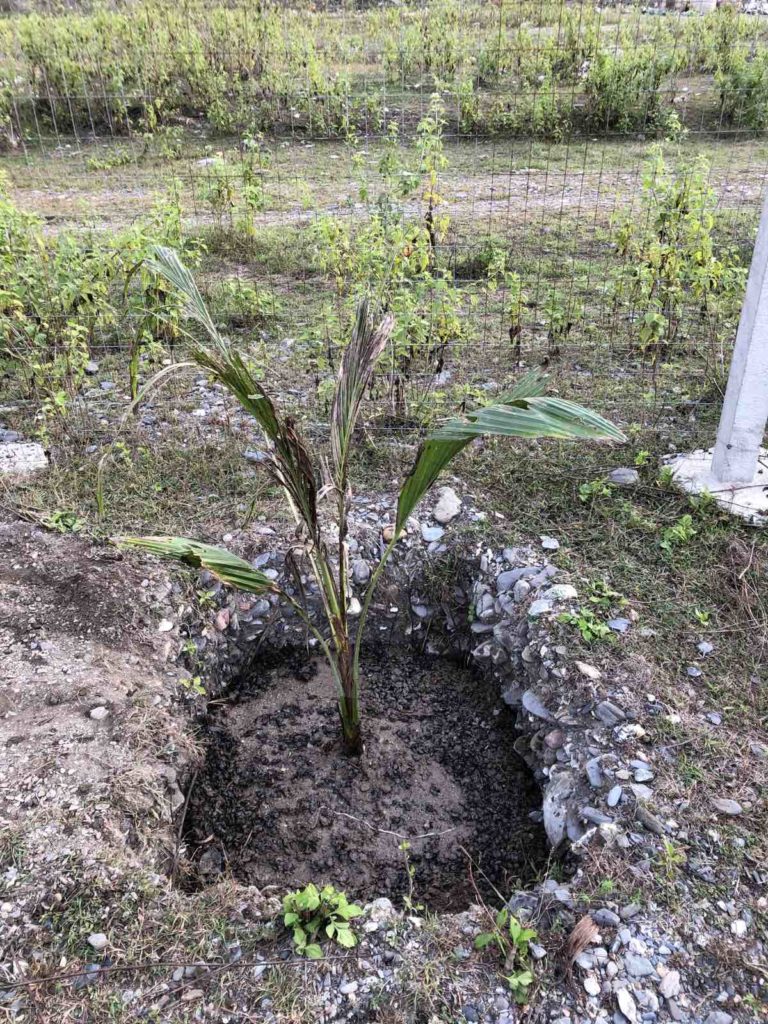
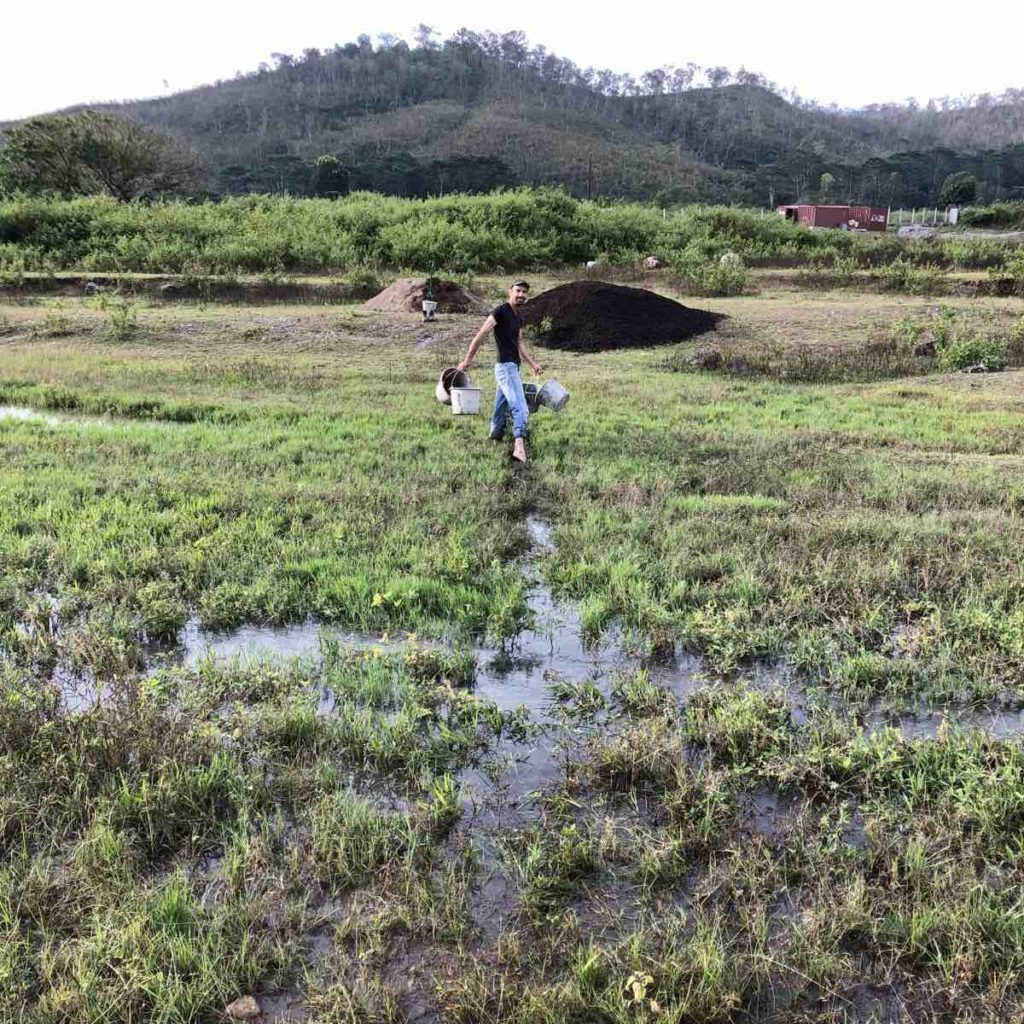
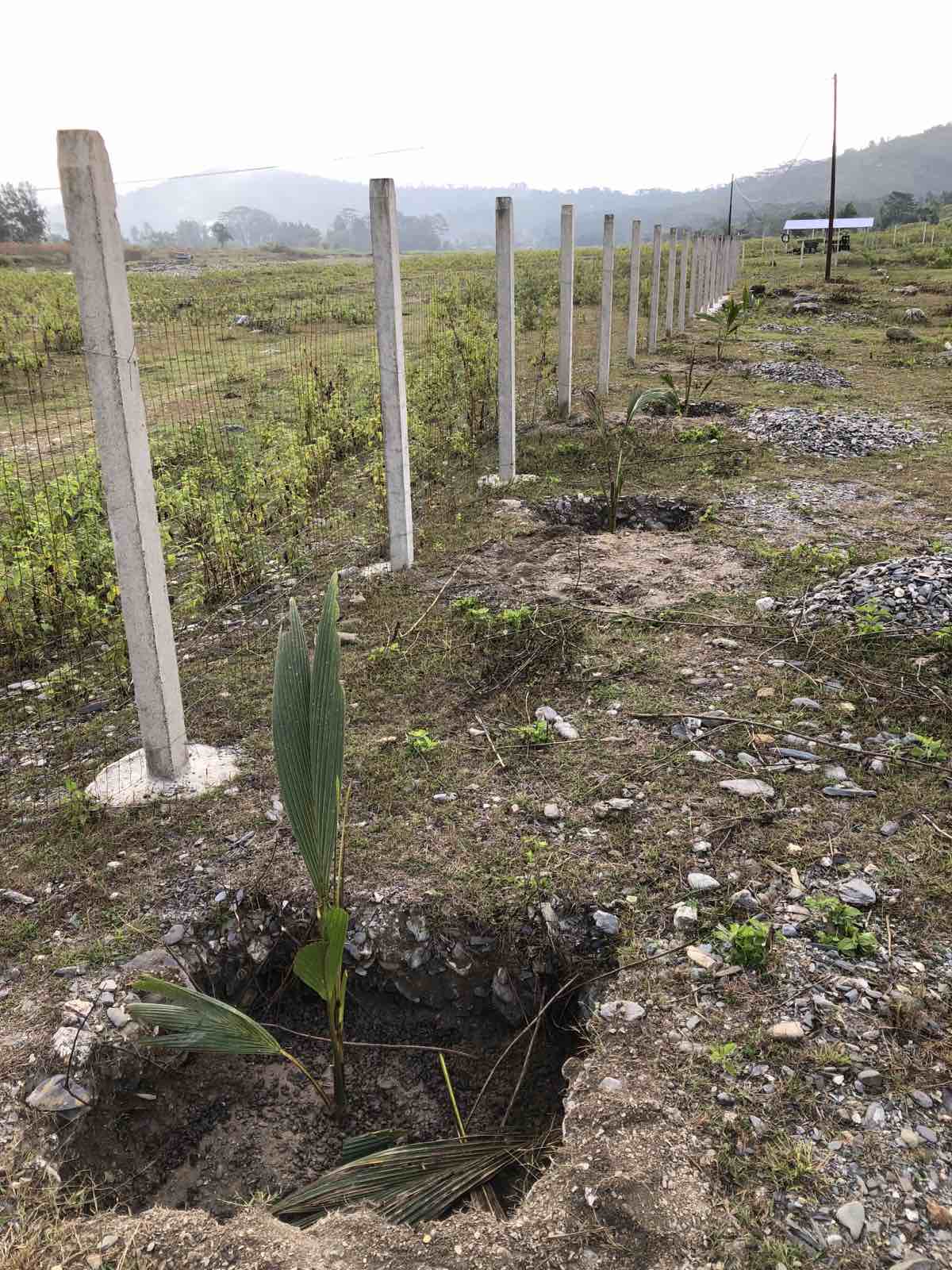
We planted coconut trees this week… and here are the steps we followed

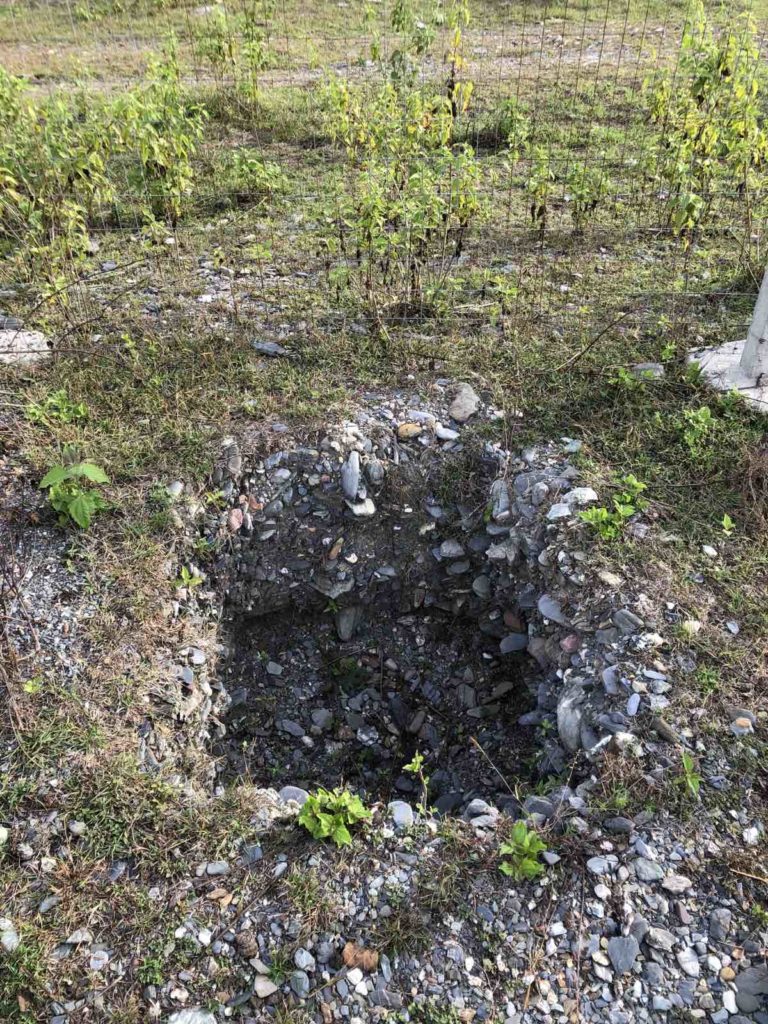
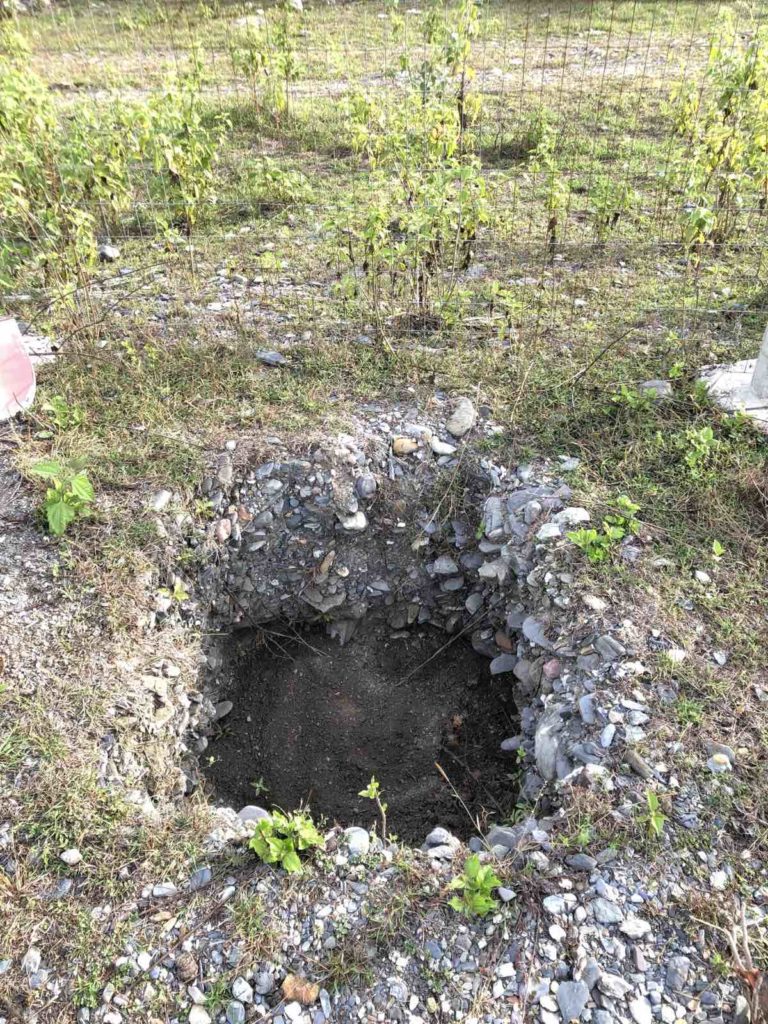
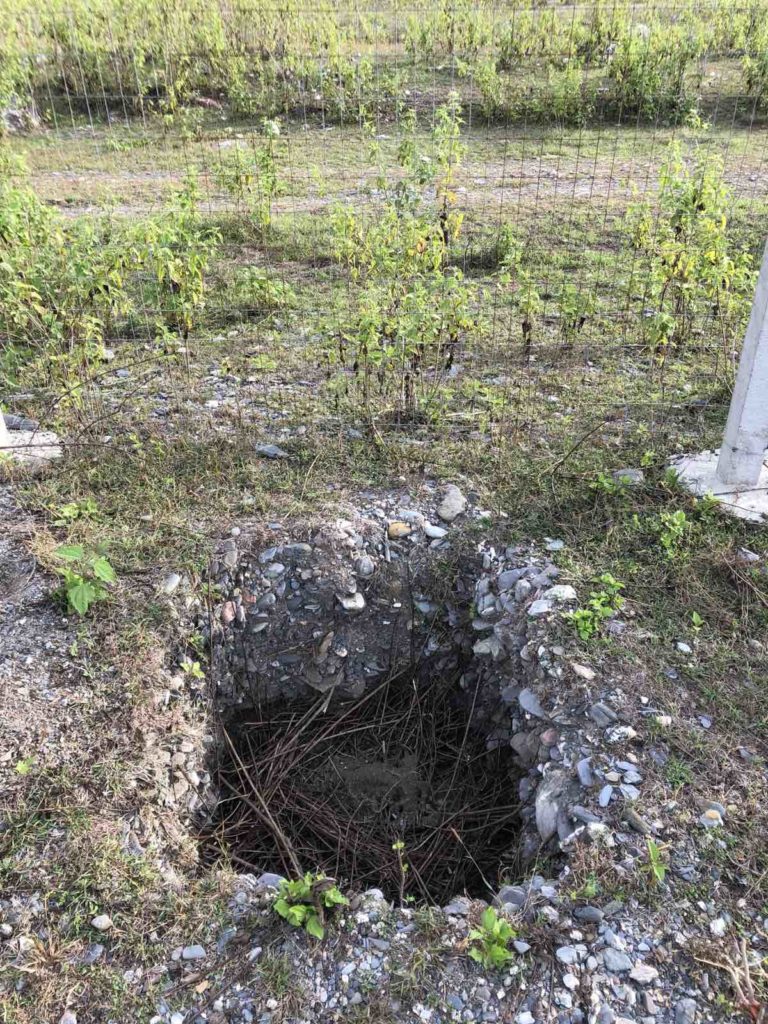
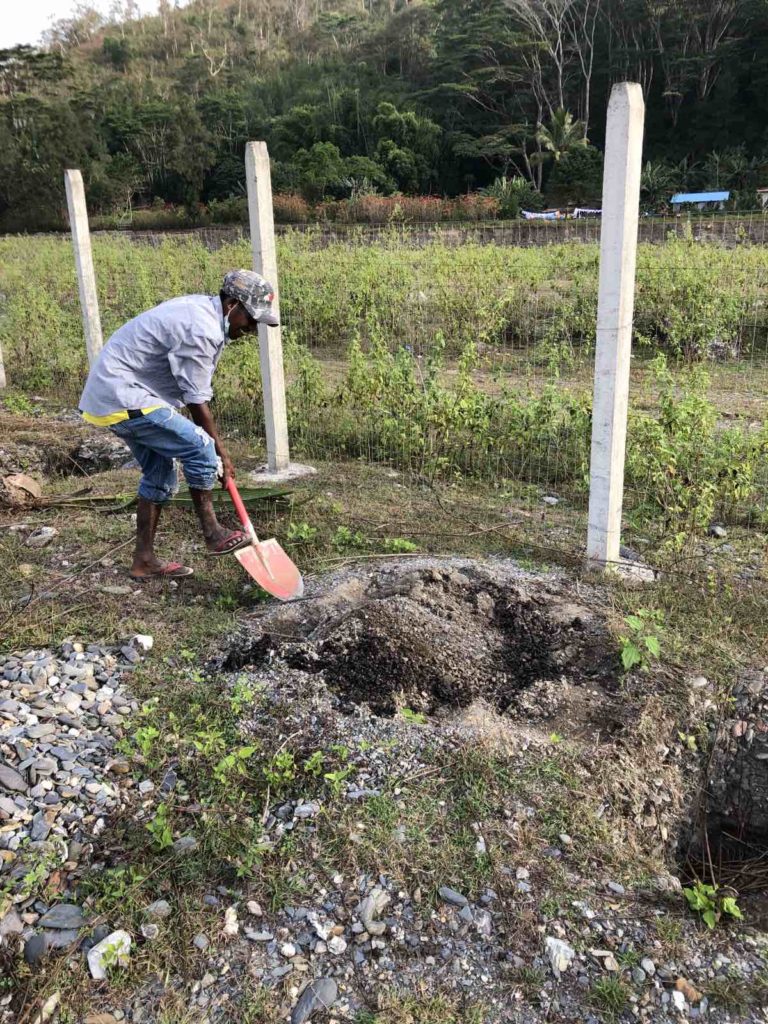
  • Step 1: dig the hole (thankfully this was already one by Daniel.. yey)
  • Step 2: fill the hole with 200mm of sand (to help the water drain)
  • Step 3: add plants that are rich in NI (to help the trees grow)
  • Step 4: to enrich the soil, for each tree create a mixture of 1-part-sand, 1-part-clay/existing soil on the land, 2 buckets of coffee husk and some fertiliser and place the seedling
  • Step 5: cover the tree with the enriched soil
  • Step 6: press around the tree to secure the position
  • Step 7: two buckets of water will make your seedling love its new place!

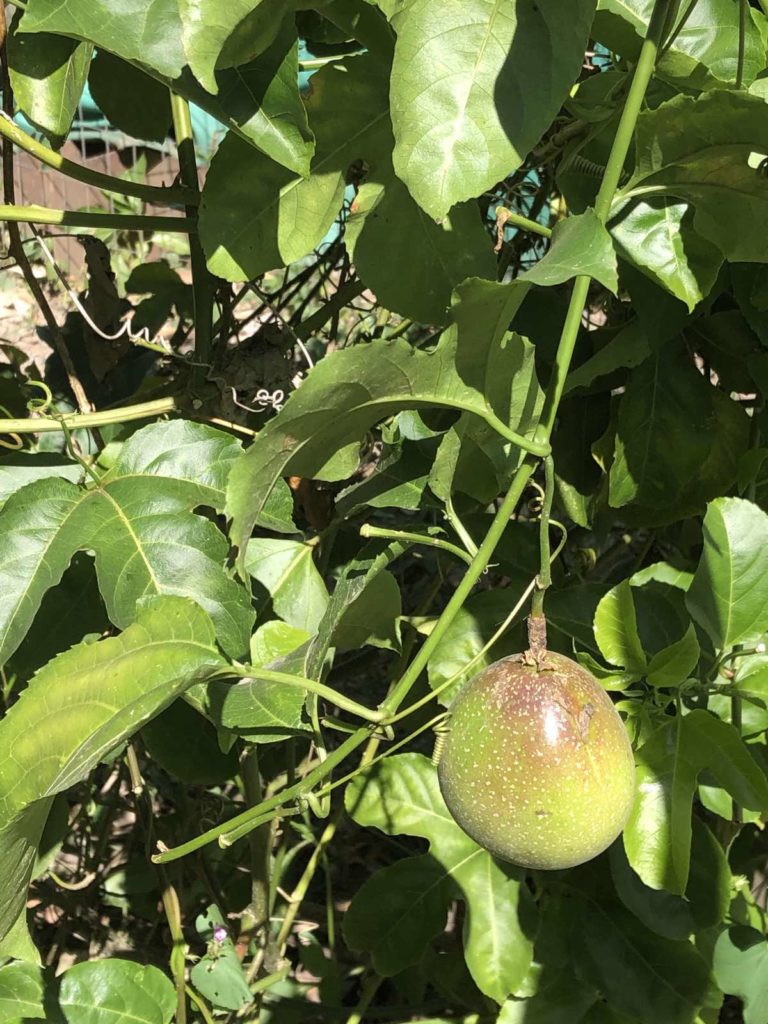
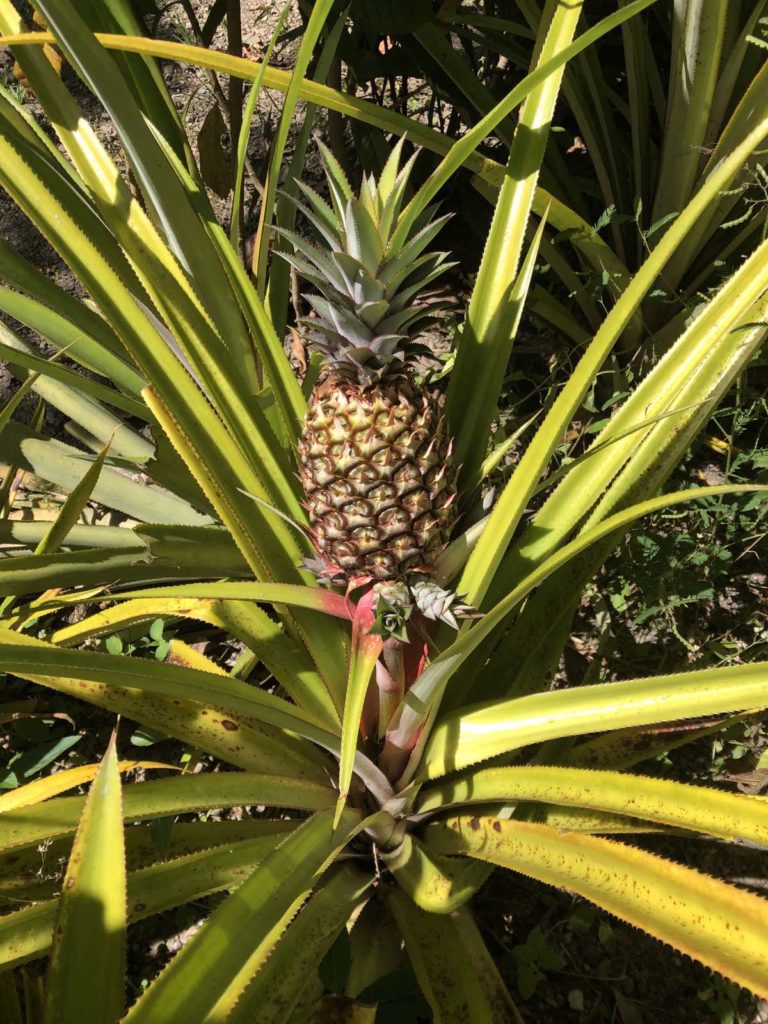
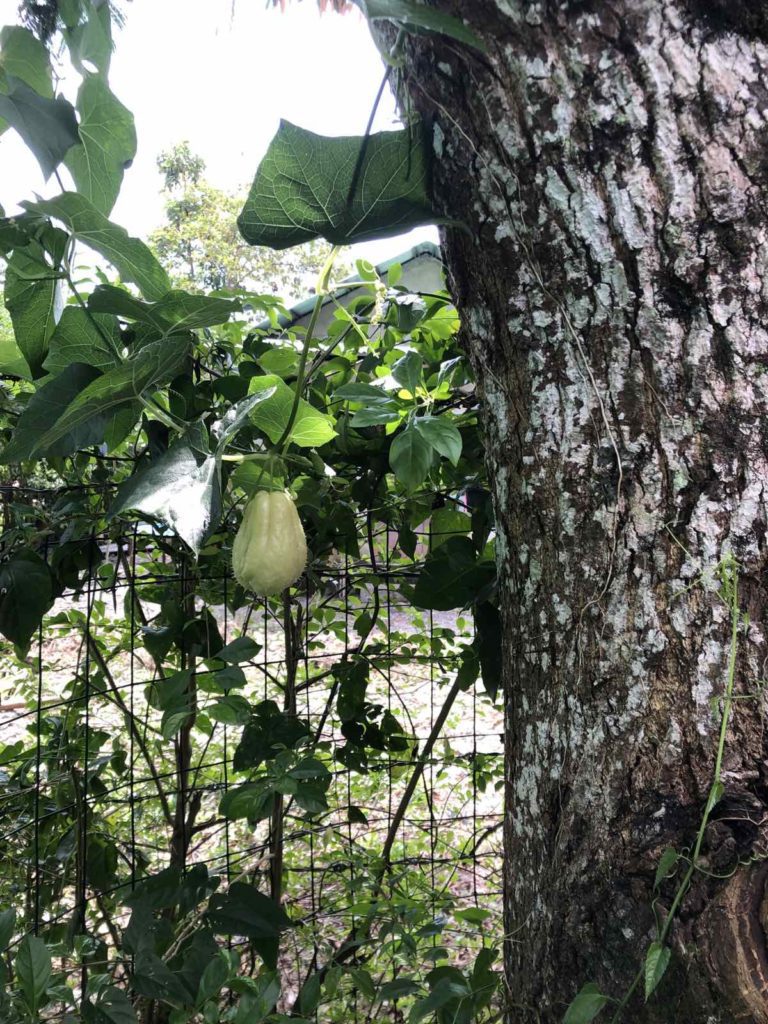
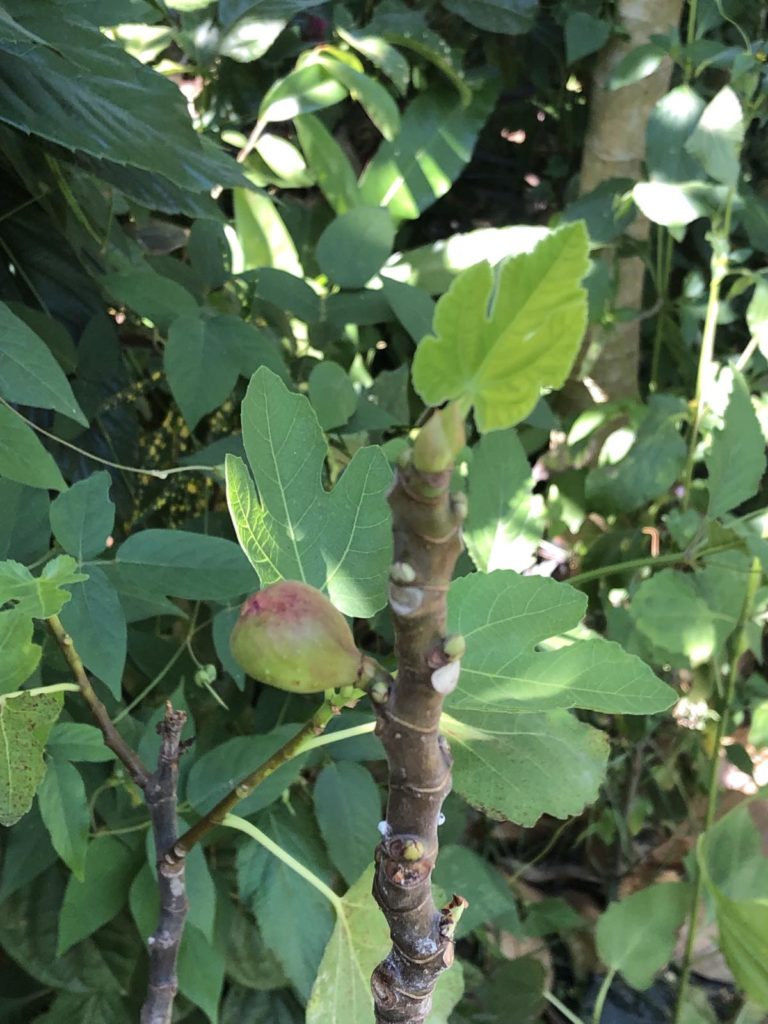
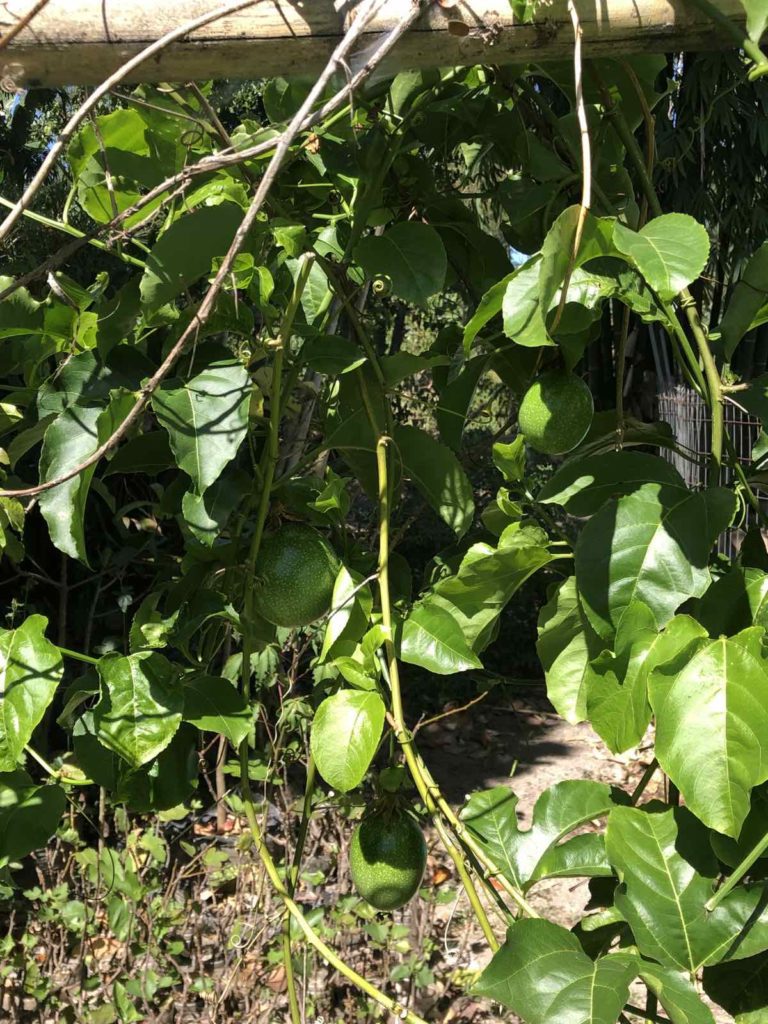
p.s. besides the beautiful trees.. these are also some (actual) fruits of Daniel&Celia’s labour:
Similar Posts

  • A Brief History

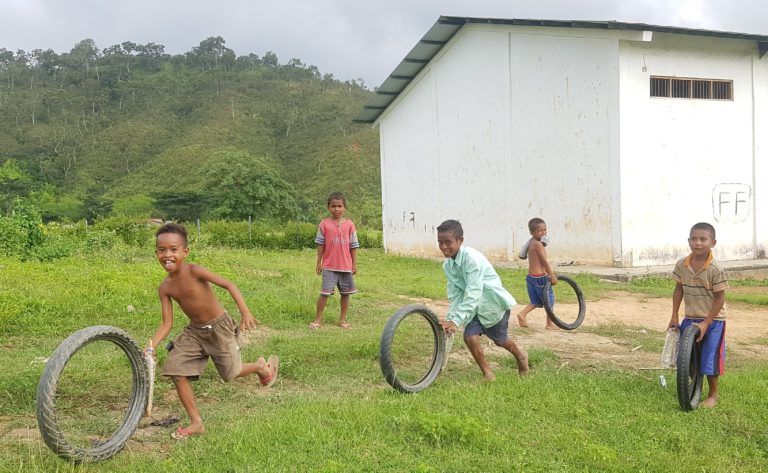
    The Portuguese first arrived on the shores of what is now Timor-Leste in 1515. In 1556 Dominican friars established a mission on the island and in 1702 the (half) island nation was claimed by Portugal and became a Portuguese colony – the Portuguese and Dutch fought a number of battles over the island and in…

  • |

    Multicolored Markets

    On this beautiful island every town has a market, where local products or products from other municipalities are sold. We found everything… fresh vegetables, fruit, meat, fish, shoes, clothing, pots, plastics, Such (traditional fabrics), cleaning and hygiene products, goats, pigs, cows and oxen for sale to barlaque (We will talk about this topic in another article.) e…

  • Tais

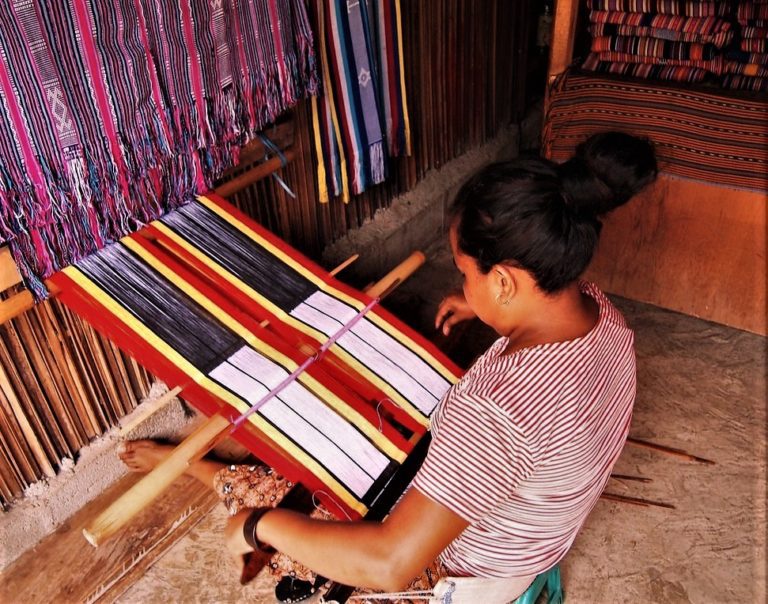
    who wouldn't want to use… … a beautiful dress from Tais? …an unusual fact? … or have a beautiful suitcase? Tais is the traditional fabric of Timor-Leste, used as part of clothing. It is handcrafted by women, on traditional wooden looms, from cotton yarn and then dyed with dyes…

  • A Sad Day

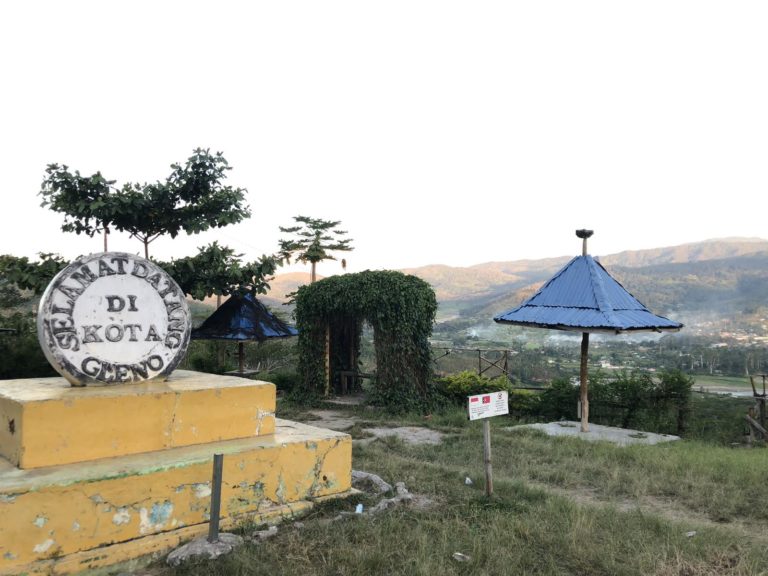
    Today was a sad day… we got a call and found out that the owner of our rental in Gleno passed away. He was a good man, he helped many people in the village, and whether young or old.. everyone knew Mr Paulo Maia. He was a policeman during the Indonesian occupation and then became…