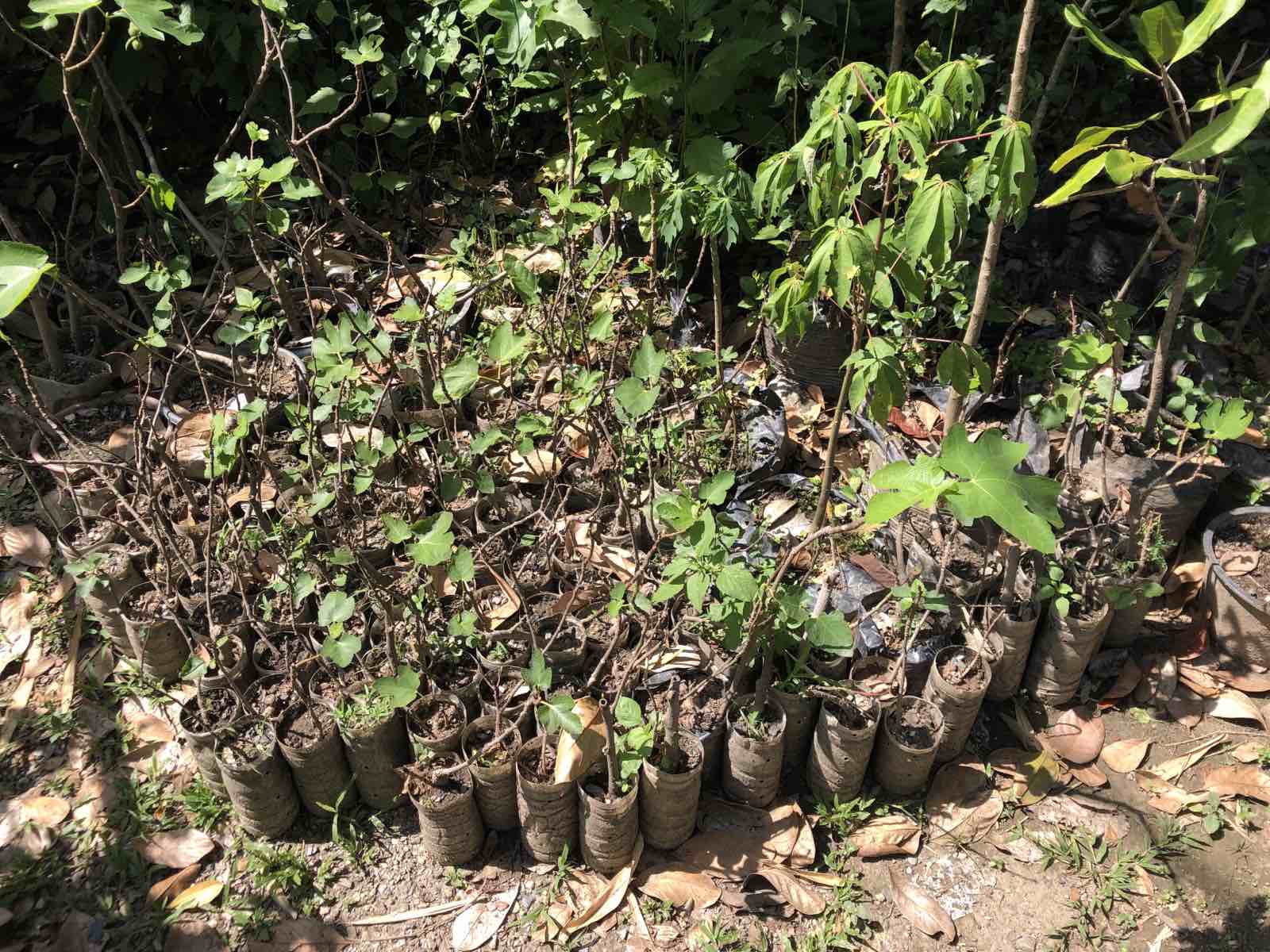
Fig Tree Seedlings
Yesterday we brought home approximately 100 fig tree seedlings.. Luke messaged a stranger at the time, and later met with Julio – a Timorese man passionate about fig trees and the development of his country. The majority of the seedlings will be given to the community in Gleno and Julio will give them training on how to grow and care for the trees.
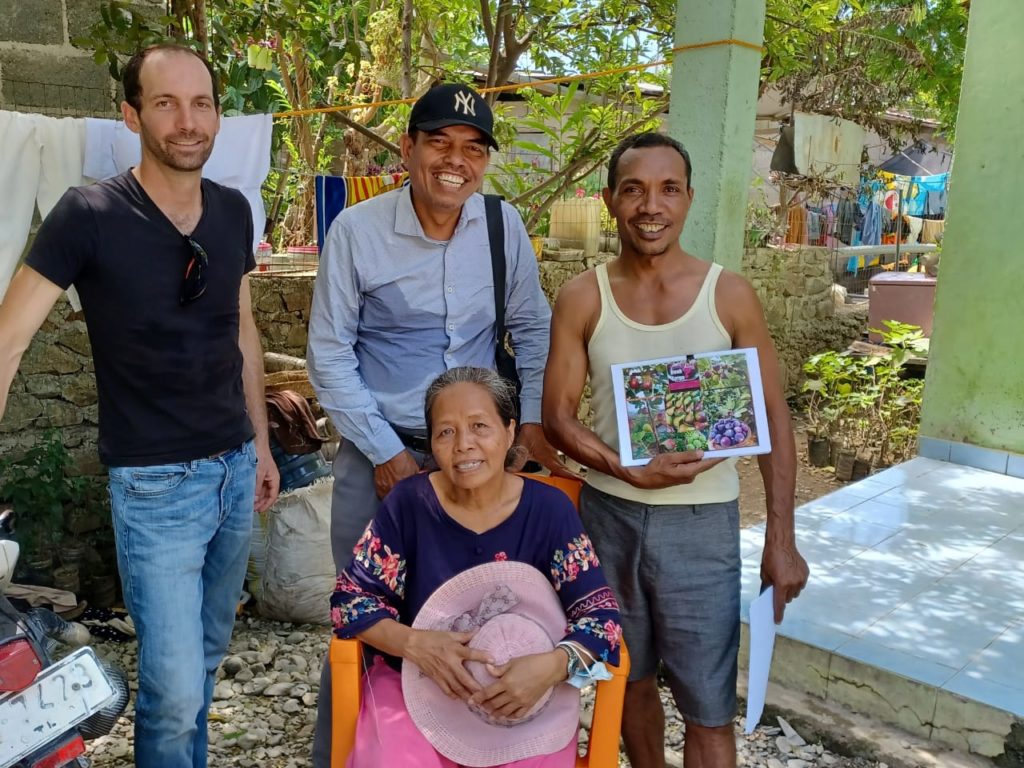
Julio was so excited when he heard that we believed in natural remedies… he started to be even happier when he heard about our mission here… God is so good!
Now Julio wants to work with us and teach the people here about the properties of the figs.
Here are some interesting facts:
- Figs are harvested according to nature’s clock, fully ripened and partially dried on the tree.
- Not your typical fruit, figs are technically a collection of inverted tiny flowers – that produce the crunchy little edible seeds. If left alone, it would bloom from the inside out.
- Figs promote digestive health and help reduce high blood pressure; naturally fat-free and cholesterol-free, figs are also an excellent source of Vitamin A, Vitamin C, Calcium, Iron, Potassium and Magnesium.
- Gram for gram, figs have more fibre than prunes and more potassium than bananas. The high levels of fibre can help to flush excess sodium from the system and due to their good source of both calcium and potassium, figs can help increase bone densty.
- Fig leaves can be used the same way we use grape leaves (for example for wrapping rice, etc) or as tea – which is used for conditions such as diabetes, high cholesterol, and skin conditions.
- The milky sap is used on the skin for warts and the fruit is used on the skin for eczema and other skin conditions.
- Figs naturally help hold in moisture in baked goods, keeping them fresher.

The funny thing was that on the same day we got the figs home, we read in the devotional about WHERE ARE THE FRESH FIGS?… coincidence?! I think Providence! 🙂